
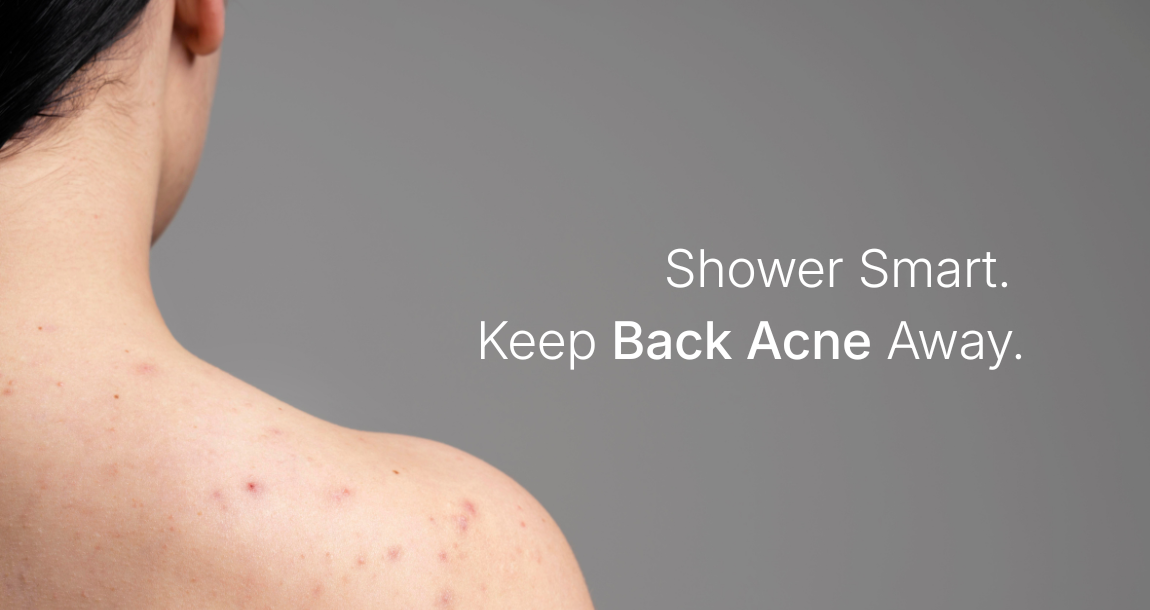
Back acne can be easy to ignore because it is difficult to see, but it often becomes obvious when clothing rubs against inflamed spots or a backpack rests on the shoulders. The chest and back have oil-producing glands just like the face, so they can develop clogged pores and inflammatory acne. Hot weather adds sweat and friction to the picture.
The most useful shower routine is not complicated. It is based on getting out of sweaty clothing, cleansing the skin without scrubbing and reducing the amount of time damp fabric and sports equipment stay against acne-prone areas.
Why back acne often gets worse after exercise
A workout can combine several things that acne-prone skin does not like: sweat, pressure, heat and friction. Tight sportswear keeps moisture close to the body, while backpack straps and gym equipment repeatedly rub the same areas. If you then stay in workout clothes during a commute or for the rest of the day, that environment continues long after the exercise has ended.
This does not mean exercise is causing acne or should be avoided. It means the routine after exercise matters. Changing clothes and showering soon after heavy sweating can reduce the amount of time sweat and residue remain trapped against the skin.
It is also worth remembering that not every small bump after sweating is acne. Folliculitis, heat rash and irritation can look similar. If the bumps are very itchy, unusually uniform or fail to respond to normal acne care, a healthcare professional can help distinguish them.
A better shower routine for body acne
Start by keeping the shower gentle. Very hot water and hard scrubbing can irritate inflamed spots. Use your hands or a soft cleansing method instead of repeatedly rubbing the back with a rough brush. Rinse well so shampoo, conditioner and cleanser do not remain on acne-prone skin.
After the shower, pat the body dry and put on clean clothing. Reusing the same sweat-soaked shirt defeats the purpose of showering. Workout clothing should be washed after use, especially if it fits closely against the chest or back.
If long hair or conditioner frequently rests on the upper back, rinse the body after finishing hair care. Some people notice breakouts where heavy hair products repeatedly touch the skin. This is not the only cause of back acne, but removing residue is a simple adjustment.
The order of a shower can help too. If shampoo or conditioner tends to run down the back, finish hair care first and cleanse the back afterward so residue is rinsed away before you leave the shower. Keep towels and bed linen reasonably clean, especially during periods of heavy sweating. None of these steps needs to become an elaborate routine; consistency is more useful than trying to make the skin completely oil-free.
Friction is an overlooked part of the problem
Think about what touches the same part of your back every day. A heavy backpack, laptop bag, tight bra strap, protective vest or sports padding can create repeated friction. When the skin underneath is also sweaty, the area may become more irritated and prone to breakouts.
Where possible, reduce unnecessary pressure and keep items that contact the body clean. That does not require extreme cleaning; regular laundering and wiping of sports equipment is enough for most routines. If a certain garment consistently causes irritation, changing the fit or fabric may be more useful than adding another skin-care product.
Clinviva Soap for Back and Body Acne Care
Clinviva Soap is part of Ikon Remedies’ anti-acne range. When recommended for body acne, it can be incorporated into bathing according to the current pack instructions or your healthcare professional’s advice. As with any medicated cleanser, using it more often than directed is not a shortcut to clearer skin.
A body-acne cleanser works best as part of a larger routine: shower after significant sweating, change into clean clothes, reduce friction and avoid picking at inflamed spots. If you are already using topical or oral acne treatment, ask how the cleanser should fit around those medicines so that the skin does not become unnecessarily dry or irritated.
When back acne needs a treatment plan
Mild body acne may improve with consistent skin care, but deep, painful lumps or widespread breakouts usually need more than a shower routine. Seek a dermatologist’s advice if acne is leaving scars, continues for months, covers large areas of the back or chest, or is not responding to appropriate over-the-counter care.
Scarring is a good reason not to wait too long. Picking and squeezing back acne can make marks worse because the area is difficult to treat cleanly. A targeted plan can reduce inflammation and help prevent new scars more effectively than repeatedly changing body washes. Treatment may include topical medicines, oral medicines or a combination depending on the severity and type of acne. The right choice is based on the skin, not simply on how oily the back feels after exercise. Give any recommended treatment enough time to work unless irritation or another problem develops.
Frequently Asked Questions
Does sweating cause back acne?
Sweat can contribute when it stays trapped with oil and residue under clothing, but it is not the only cause. Acne develops through clogged pores, oil production and inflammation.
Should I shower immediately after the gym?
You do not need to rush in a panic, but changing sweaty clothes and showering as soon as practical after heavy exercise is a useful habit for acne-prone skin.
Can I scrub back acne away?
No. Rough scrubbing can irritate inflamed skin and may make breakouts feel worse. Use a gentler cleansing method and give treatment time to work.
Can a backpack make back acne worse?
Repeated pressure and friction from a backpack can aggravate acne-prone areas, especially when the skin underneath is sweaty. Adjusting the fit and keeping straps clean may help.
Conclusion
For back and chest acne, look beyond the body wash. The time you spend in sweaty clothes, the way you scrub, the products that run over the back and the friction from daily equipment can all influence how irritated the skin becomes. Keep showering simple, change clothes after exercise and stay consistent with appropriate treatment. If breakouts are painful or scarring, get professional help rather than trying to cleanse them away.