
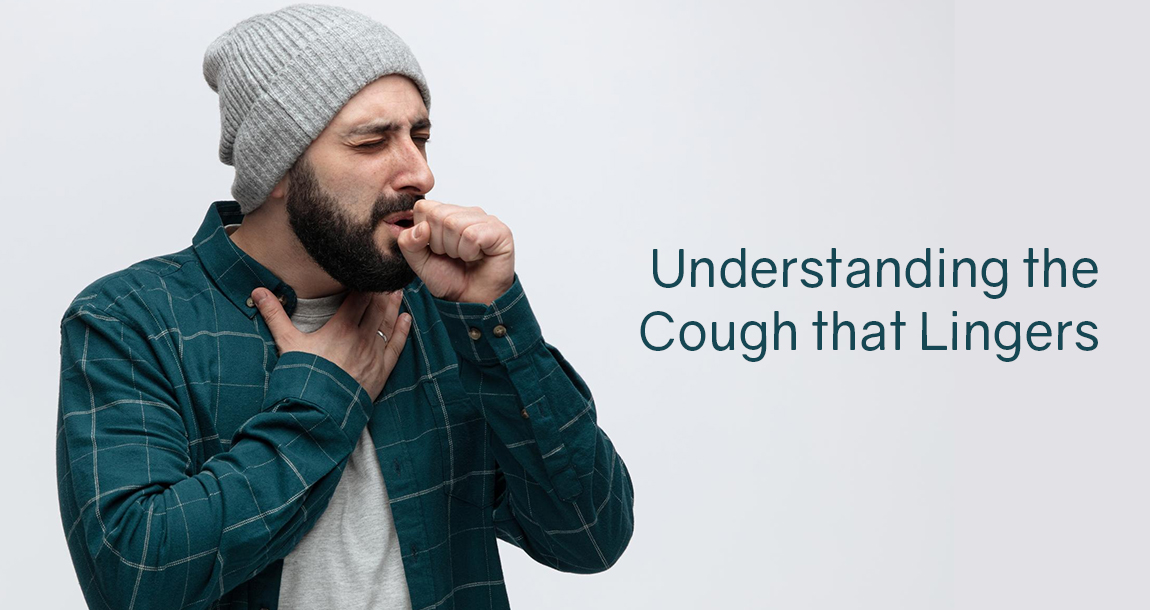
Fever, nasal congestion and body ache may disappear after a viral infection, yet the cough can continue for several weeks. This lingering cough is often called a post-viral or post-infectious cough.
Although usually self-limiting, a persistent cough should not automatically be ignored. It may result from continued airway irritation, nasal drainage, allergy, asthma, acid reflux or another condition requiring medical assessment.
What Is a Post-Viral Cough?
A post-viral cough develops after a respiratory infection such as the common cold, influenza or another viral upper respiratory tract infection.
Clinicians generally classify cough by duration:
- Acute cough: Less than three weeks
- Subacute cough: Three to eight weeks
- Chronic cough: More than eight weeks in adults
Post-infectious cough commonly falls within the subacute period. It is usually considered only after serious causes and other conditions such as asthma, gastro-oesophageal reflux disease and medication-related cough have been excluded.
Why Does the Cough Continue?
The virus may no longer be actively causing illness, but the respiratory system can take longer to recover.
1. Residual airway inflammation
A viral infection can inflame the throat, windpipe and bronchial passages. Even after the infection improves, this inflammation may continue to stimulate the cough reflex.
2. Increased cough sensitivity
After an infection, airway nerves may become unusually sensitive. Cold air, dust, perfume, smoke, laughing, talking or exercise may trigger coughing more easily than before.
3. Post-nasal drainage
Mucus from the nose or sinuses may continue draining down the back of the throat. This can produce throat clearing, irritation and cough, particularly while lying down.
4. Temporary airway hyper-responsiveness
The airways may temporarily narrow or react strongly to irritants after an infection. This is more likely in people with asthma, allergies or a previous history of wheezing.
5. Residual mucus
A productive cough may continue while the respiratory tract clears remaining mucus and inflammatory material. Because coughing helps clear the airways, suppressing every productive cough may not be appropriate.
Post-infectious cough is therefore not caused by one mechanism. Airway inflammation, mucus production, nasal symptoms, reflux and underlying respiratory sensitivity may all contribute.
Is a Persistent Cough Always Post-Viral?
No. A cough that begins during an infection may continue for another reason.
| Possible cause | Common clues |
| Post-viral cough | Begins after infection; gradually improves; no major warning signs |
| Allergic rhinitis or post-nasal drainage | Sneezing, itchy eyes, clear nasal discharge, throat clearing |
| Asthma | Wheezing, chest tightness, night cough, symptoms after exercise |
| Acid reflux | Heartburn, sour taste, hoarseness or cough after meals |
| Pneumonia | Fever, breathing difficulty, chest pain or worsening weakness |
| Pertussis | Severe coughing attacks, vomiting after coughing or a “whoop” |
| Tuberculosis | Prolonged cough, fever, weight loss, night sweats or blood in sputum |
| Medicine-related cough | Cough beginning after a new medicine, particularly certain blood-pressure medicines |
A cough lasting beyond eight weeks requires further assessment rather than continued self-treatment. Common causes of chronic cough include upper airway cough syndrome, asthma, reflux and medicine-related effects.
Modern Medicine: Treat the Cause, Not Only the Cough
There is no single medicine suitable for every post-viral cough. Treatment depends on whether the main problem is a dry cough, mucus, nasal drainage, allergy, airway narrowing or another condition.
Many uncomplicated post-infectious coughs improve naturally. Reviews of clinical trials have found limited evidence that routinely used medicines significantly shorten a straightforward post-infectious cough. This makes correct diagnosis and realistic recovery expectations important.
A healthcare professional may assess:
- Cough duration and pattern
- Dry versus productive cough
- Nasal congestion or post-nasal drainage
- Wheezing or breathing difficulty
- Asthma and allergy history
- Reflux symptoms
- Smoking or vaping
- Current medicines
- Need for chest imaging or lung-function testing
Antibiotics do not treat an uncomplicated viral or post-viral cough. They are used only when a bacterial condition such as pneumonia, bacterial sinusitis or pertussis is diagnosed or strongly suspected.
The Role of the Rhinorest Range
A lingering cough may be worsened by associated nasal congestion, sneezing, watery discharge or post-nasal irritation. The Rhinorest Range from Ikon Remedies includes several formulations and delivery formats developed for cold, allergy and nasal symptoms.
For example, Rhinorest Forte Tablets contain phenylephrine, chlorpheniramine maleate and paracetamol. The approved product information positions the formulation for symptoms such as nasal congestion, sneezing, runny nose, headache, sore throat, muscular discomfort and fever.
The Rhinorest Range should not be described as a universal cure for post-viral cough. Its role depends on the selected formulation and the symptoms contributing to the cough. A product intended for nasal congestion or allergy may be considered when these symptoms are present, under medical guidance.
Some formulations may cause drowsiness, dryness, dizziness or other adverse effects. Decongestants and antihistamines may not be suitable for every patient, particularly those with certain cardiovascular conditions, glaucoma, thyroid disorders, urinary problems or concurrent medicines.
Where Nimeda Cold May Fit
Nimeda Cold Tablets contain nimesulide, phenylephrine, cetirizine and caffeine. According to Ikon Remedies’ product information, the formulation is intended for common-cold symptoms including nasal congestion, runny nose, sneezing, watery eyes, aches and fever.
Nimeda Cold is not specifically positioned as a treatment that eliminates post-viral cough. It may be prescribed when residual cold or allergy-related symptoms are present and a clinician determines that the complete formulation is appropriate.
Patients should not combine it with other pain, fever, allergy or cold medicines without checking for overlapping ingredients. Its suitability depends on age, liver and kidney health, blood pressure, existing conditions and other medicines. Use should follow the latest approved prescribing information and a doctor’s advice.
The Ayurvedic Perspective
Ayurveda traditionally evaluates cough according to its characteristics, associated symptoms, digestion, environment and individual constitution. Supportive practices may focus on reducing throat irritation, maintaining warmth and avoiding foods or environmental exposures that worsen symptoms.
Common supportive measures include:
- Warm fluids
- Gentle salt-water gargling
- Adequate rest
- Protection from smoke, dust and cold air
- Honey for suitable individuals
- Traditionally used herbs under qualified Ayurvedic guidance
Honey may offer temporary cough relief for adults and children aged at least one year, but it must never be given to an infant under one year because of the risk of infant botulism.
Traditional remedies should not be presented as proven cures for post-viral cough. They should also not replace asthma treatment, antibiotics when clinically indicated, diagnostic testing or emergency care. Patients taking prescription medicines should discuss Ayurvedic products with a qualified professional before combining them.
What Can Help During Recovery?
- Drink sufficient fluids.
- Avoid smoking, vaping, incense and strong fragrances.
- Use saline nasal care when nasal mucus or allergens are contributing.
- Keep sleeping areas clean and adequately ventilated.
- Identify triggers such as cold air, dust or prolonged talking.
- Avoid unnecessary antibiotics.
- Do not use multiple cough-and-cold products together without checking their compositions.
- Continue prescribed asthma or allergy treatment.
- Seek assessment if the cough is not gradually improving.
When to Consult a Doctor
Seek prompt medical care for:
- Breathing difficulty or wheezing
- Chest pain
- Coughing up blood
- Persistent or recurring fever
- Low oxygen symptoms or bluish lips
- Unexplained weight loss
- Night sweats
- Severe weakness or dehydration
- Difficulty swallowing
- Coughing attacks with vomiting
- Symptoms that improve and then worsen
- Cough lasting more than eight weeks
Earlier evaluation is advisable for infants, older adults, pregnant individuals, immunocompromised patients and people with chronic lung or heart disease.
Conclusion
A post-viral cough often continues because the airways remain inflamed or sensitive after the infection has improved. Nasal drainage, allergy, asthma or reflux may also prolong symptoms.
The Rhinorest Range and Nimeda Cold provide modern, symptom-based options for selected cold, nasal and allergy-related symptoms. They should be chosen according to the actual cause of the cough and used under healthcare-professional guidance.
Ayurvedic measures may offer supportive throat and respiratory comfort, but persistent or worsening cough requires diagnosis-driven medical care.